Laser Resurfacing
Laser Resurfacing
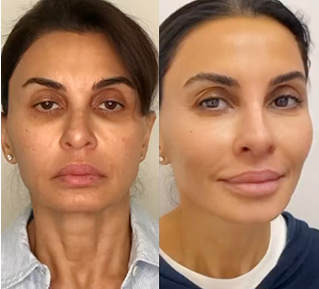
Laser resurfacing smoothes the face and smoothes fine wrinkles using a carbon dioxide laser device that treats layers of damaged skin. Softens lines around the eyes and mouth and minimizes facial scars and unevenly.
Possible alternative to laser skin resurfacing is Microdermabrasion, Cool Laser, Peel Blue, Peel Dermabrasion, Chemical Peel or Face Lift.
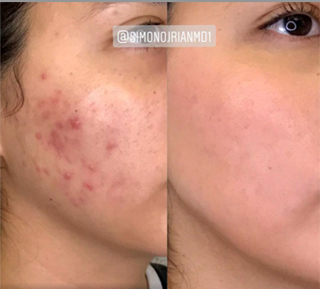
The benefits of laser skin resurfacing are obvious - no cutting, minimal or no bleeding, evens out skin pigmentation Removes or reduces wrinkles Reduces scars or acne scars Removes discolorations.
Laser resurfacing is performed due to the laser light is absorbed by the water in your skin cells. The absorption in turn causes the instantaneous vaporization or destruction of the cell. As your physician passes the laser light over your skin, a mere 30 millionth of an inch of tissue is removed at a time. This incredible control allows your physician to treat only as deeply as needed, from removing wrinkles to merely refreshing your overall skin appearance. After the damaged skin is removed, new skin will quickly regrow in its place.
If you wish to improve any of the following laser skin resurfacing may be the right treatment for you; Fine lines around the mouth and eyes Facial scars Uneven skin pigmentation Acne Scars Birthmarks Skin growths Warts The surgeon will evaluate your skin's characteristics to make a recommendation regarding what procedure is right for you.
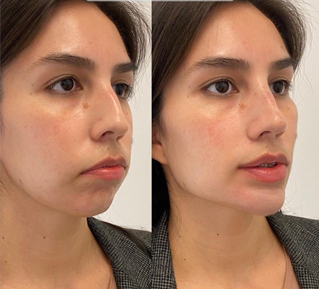
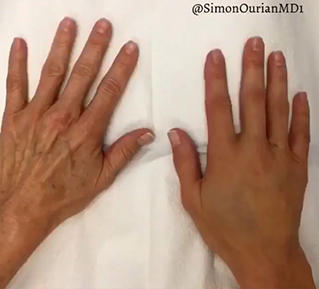
The results of laser skin resurfacing are long lasting. The minor lines and blemishes will be gone, leaving you with a fresh perspective on your appearance. As with other subtle procedures, you will still look like you, only better.
The possible side effects of laser skin resurfacing are: temporary swelling, discomfort, lLightening of treated skin. Temporary Sun sensitivity. Increased sensitivity to makeup. Pinkness or redness in skin that may persist for up to 3 months.
You’ll be back to work in 1 week after laser skin resurfacing. More strenuous activities: 2-4 weeks. Complete fading of redness: 2 months or less. Return of pigmentation/light sun exposure: 6-12 months.
The level of discomfort during skin resurfacing is different for every person and also varies by the location and surface area to be treated. Many patients do not request any pain medication during treatment and relate the discomfort as comparable to a sunburn. Other patients will appreciate a topical or more extensive anesthetic. We will discuss your options with you based upon your own tolerance and the specific areas to be treated. Laser resurfacing may cause the skin to became raw, red or pink with mild to moderate discomfort for several days following the procedure. Although over the counter medication is usually sufficient your physician may recommend alternative pain relief options to keep you comfortable.
Your doctor will advise you on a pre-treatment plan to prepare the skin for resurfacing. This depend on a variety of factors, so your doctor will suggest a regime tailored specifically to your needs. At the time of the procedure, you will also be given specific instructions on how to care for your skin immediately following your laser treatment.
After having laser resurfacing, expect to have mild swelling, discomfort And some skin redness - all easily treated with ice packs and antibiotic ointments. Both will aid the healing process. And make you feel better. We will give you instructions on how to gently wash and care for your healing skin.
Laser Skin Resurfacing Cost
Lower bound: $2,000
Upper bound: $9,000
National average: $6,000
Testimonials
"All my friends tell me I look better, they just don't know why"
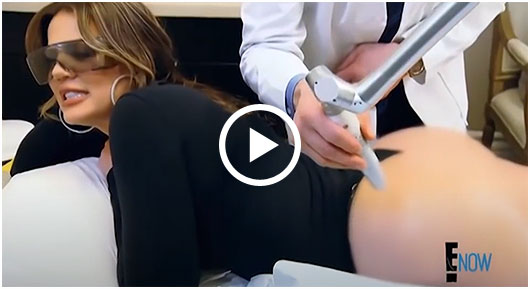
Photographs are usually taken before skin resurfacing treatment. You will be asked to read and sign a consent form. A topical anesthetic may be applied to the treated area few minutes prior to the treatment. Everyone in the room will use eye protection. Treatment consists of passing a beam of laser energy, which literally removes skin layers by vaporizing the upper layers of skin that's been damaged. This is accomplished at specific (and controlled) levels of penetration. placing a small hand-piece near the skin and administering laser pulses over the area to be treated. The procedure can take as little as 10 minutes or up to an hour (or more), depending on the area treated. During the procedure, the activated laser is carefully passed back and forth over the skin until the surgeon reaches the level that will make the wrinkle or scar less visible. When the procedure is over, your surgeon will treat the resurfaced skin with applications of protective creams or ointments until healing is complete.
Laser skin resurfacing works for dark skin too. Certain types of lasers are specifically designed for the treatment of dark skin. The doctor will evaluate your skin during your consultation to plan a treatment that matches your specific skin and hair.
There is a common mislead that lasers used for skin resurfacing can cause cancer. Cancer growth has nothing to do with laser, which involves simply removing hair. No cancer causing radiation is produced by lasers.
All the lasers used at Epione are the latest FDA approved lasers with patented technology.