Cheek Implant
Cheek Implant
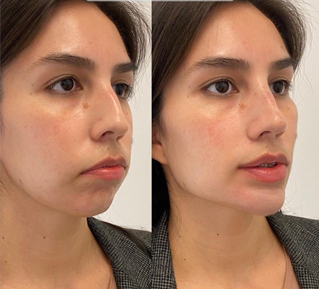
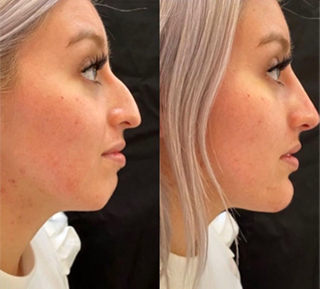
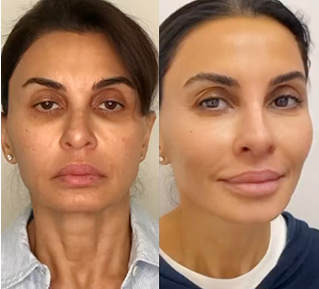
Cheek implants are most often used to bring the face into balance by creating prominence to cheekbones.
Except cheek implant the other possible ways to balance your face include Fat Transfer, Mid-face lift, Full Face lift.
The best candidates for cheek implants are men and women who are physically healthy, psychologically stable, and realistic in their expectations. Most are 18 or older.
The results of inserting cheek implants are permanent.
Possible side effects of cheek surgery are: Temporary discomfort, swelling, bruising, numbness and/or stiffness. In jaw surgery, inability to open mouth fully for several weeks. Risks: Shifting or imprecise positioning of implant, or infection around it, requiring a second operation or removal. Excess tightening and hardening of scar tissue around an artificial implant ("capsular contracture"), causing unnatural shape.
The normal recovery time after cheek implants have been implemented is about 1 week. Normal appearance: 2 to 4 weeks. Activity that could jar or bump face: 6 weeks or more.
The procedure is done by local with sedation, or general anesthesia. Recovery takes a few days and the discomfort may be minimized through oral medications.
Your surgeon will give you specific instructions on how to prepare for cheek implant surgery, including guidelines on eating and drinking, smoking, and taking or avoiding vitamins, iron tablets and certain medications. If you develop a cold or an infection of any kind, especially a skin infection, your surgery may have to be postponed. Though rare, your doctor may recommend that you have blood drawn ahead of time in case it is needed during surgery. Also, while you are making preparations, be sure to arrange for someone to drive you home after the procedure and, if needed, to help you at home for a day or two. Special accommodations are available for patients who are coming from out of town.
After cheek surgery, you will likely experience some fluid drainage from the incisions. Occasionally, a small drainage tube may be inserted beneath the skin for a couple of days to prevent fluid build-up. To control swelling and to help your skin better fit its new contours, you may be fitted with a snug elastic garment to wear over the treated area for a few weeks. Your doctor may also prescribe antibiotics to prevent infection. Don't expect to look or feel great right after surgery. Even though the newer techniques are believed to reduce some post-operative discomforts, you may still experience some pain, burning, swelling, bleeding and temporary numbness. Pain can be controlled with medications prescribed by your surgeon, though you may still feel stiff and sore for a few days. It is normal to feel a bit anxious or depressed in the days or weeks following surgery. However, this feeling will subside as you begin to look and feel better.
Cheek Implant Cost
Lower bound: $3,000
Upper bound: $6,000
National average: $4,500
Testimonials:
"I used to look like I was all neck, and my face was looking less youthful. I love my new profile. I was surprised to see how quickly it was all done. I had my procedure done on a Friday, and was back to work the next Monday. My chin and cheeks look great."
Rebecca M. 26 Los Angeles CA